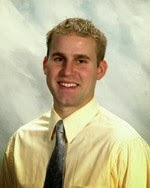
WILLMAR, Minn. — Corn is a big part of Noah Hultgren's life. Always has been, always will be. But the crop was particularly important to him this past year, when the Willmar, Minn., farmer served as president of the Minnesota Corn Growers Association.
"I never kept track of how much time I spent on it. But almost every day it seemed there was something to do, answering calls or emails or going to meetings. In the winter (of 2015 to '16), it seemed almost like a full-time job," he says.
Part of the one-year job was helping to develop a recently released plan to assist "Minnesota corn growers become the most sustainable and economically responsible in the United States," as the Corn Growers Association puts it. The group has about $250,000 in grants available to help farmers improve their organizations; a committee will evaluate applications.
Another part of the president's job, Hultgren says with a rueful smile, was fielding phone calls from farmers "who wanted to know what I was doing to raise the price of corn." His response: "If I had that power, I'd be a lot richer and I'd have a higher position elsewhere in the world."
Were the callers serious or teasing? "A little bit of both," Hultgren says.
In some ways, the fourth-generation farmer is typical of Upper Midwest agriculture. He operates with his father, Duane, and older brother, Nate — a multi-generational, multi-family-member arrangement so common in area ag.
And Noah Hultgren's part-time job — he's a licensed real estate salesman, who now deals primarily with ag property — also is a familiar part of the area ag scene. Ag finance officials stress the importance of off-farm income, especially when crop prices are poor, as they are now.
But Hultgren, 36, differs from the norm in at least one way: he was unusually young to have held a top leadership post in a state ag commodity group. Typically, leadership positions in such groups are filled by folks in their late 40s, 50s and 60s.
Hultgren nods when asked about that. "There's a lot of gray hair on our council and association. There's more of the middle-aged people. There's only a handful of guys 45 and younger," he says.
The Minnesota Corn Growers Association, which has more than 7,000 members, works with the Minnesota Corn Research and Promotion Council "to identify and promote opportunities for Minnesota's 24,000 corn farmers while building connections with the non-farming public," the association says.
Noah and his wife, Paula, have three young daughters. Paula, who once worked as an x-ray technician, now is a stay-at-home mother. Noah says that made it easier for him to serve as MCGA president.
Nate Hultgren says he and his father backed Noah's involvement with the group. "We know how important it is to support and promote the crops we grow," Nate says.
Adam Birr, executive director of the Minnesota Corn Growers Association, agrees that attracting young farmers to farm group leadership posts can be difficult. "The time commitment is a concern that a lot of younger growers have," he says.
The corn growers association has worked to find ways to help young farmers fulfill the duties of leadership posts by better meshing those duties with their schedule and lifestyles, Birr says. Using more electronic communication, and fewer face-to-face meetings, is one way of doing that, he says.
The MCGA also is working to attract young farmers by placing more emphasis on issues in which they're especially interested. For example, young farmers have said "engaging with consumers" is critical, and so "we've made that a huge point of emphasis" with Hultgren playing a key role as president, Birr says. Hultgren "epitomizes the effort we've made to reach out to the next generation of farmers," Birr says.
"In the late 1990s, things didn't look too good (in agriculture.) So my original plan wasn't to be a farmer," Noah Hultgren says. "But my brother left the door for me to come back."
He earned a two-year degree in sales and management and then received his real estate license, selling real estate in the Willmar area. Willmar, population about 20,000, is the county seat of Kandiyohi County.
But with his family's encouragement, he returned to the family farm in 2001. His sales and management degree provides some help in farming. And the real estate experience aids with "understanding value," he says.
Noah is officially Hultgren Farms' agronomy manager, with Nate serving as CEO. "So, he's my brother, but he's also my boss," Noah says. Some of the Hultgren farmland is irrigated, and Duane is in charge of irrigation, though he has other duties, too, Noah says.
Today, the Hultgrens raise corn, sugar beets, soybeans, kidney beans, sweet corn and alfalfa.
Their rotation is primarily beets, kidney beans and corn, with sweet corn and soybeans mixed in. They've recently begun growing more alfalfa, which they sell to a big dairy that opened nearby. The Hultgrens also have 30 beef cattle — ''Dad is a cattle guy," Noah says — on some of the family's non-tillable land.
On the day of Agweek's visit, the Hultgrens weren't quite finished with the 2016 harvest. Plentiful — sometimes too plentiful rains — had produced excellent yields in many fields, but also led to drown-out and repeated harvest delays. To complete their harvest, the Hultgrens hired a local operator with a track combine.
Even with strong yields, turning a profit on corn this year will be difficult, given low prices for the crop, Noah says. "Don't get me wrong; I'm glad we had the good yields. But we're just so far behind" on prices, he says.
Now, as immediate past president, he'll remain active in the state group, particularly with its governmental affairs committee. He plans to stay active after his current position expires, as well.
He's not interested in leadership positions with the National Corn Growers Association because they would require too much time away from his family.
Hultgren stops to think for a few seconds when asked if anything surprised him during his term as state corn growers president. "Well, there's just so much — I don't know if miseducation is the word — that we're up against. There's just so much public misperception about what we're doing," particularly with sustainability, he says.
"There's nothing wrong with saying you need to stay in business to be sustainable. Every farm wants to do the best they can to be the can for the soil, but farmers need to be able to make money," he says.
Hultgren says his stint as state president, though busy, was time well spent.
"There are so many things I enjoyed about it," he says. "There was the camaraderie with other people (corn growers) across the country. And there was knowing that here is an organization that can really help you, on a personal level, grow as a leader."
http://www.wctrib.com/news/local/4164261-eventful-year-young-blood-minnesota-corn-growers-group
Another part of the president's job, Hultgren says with a rueful smile, was fielding phone calls from farmers "who wanted to know what I was doing to raise the price of corn." His response: "If I had that power, I'd be a lot richer and I'd have a higher position elsewhere in the world."
Were the callers serious or teasing? "A little bit of both," Hultgren says.
In some ways, the fourth-generation farmer is typical of Upper Midwest agriculture. He operates with his father, Duane, and older brother, Nate — a multi-generational, multi-family-member arrangement so common in area ag.
And Noah Hultgren's part-time job — he's a licensed real estate salesman, who now deals primarily with ag property — also is a familiar part of the area ag scene. Ag finance officials stress the importance of off-farm income, especially when crop prices are poor, as they are now.
But Hultgren, 36, differs from the norm in at least one way: he was unusually young to have held a top leadership post in a state ag commodity group. Typically, leadership positions in such groups are filled by folks in their late 40s, 50s and 60s.
Hultgren nods when asked about that. "There's a lot of gray hair on our council and association. There's more of the middle-aged people. There's only a handful of guys 45 and younger," he says.
The Minnesota Corn Growers Association, which has more than 7,000 members, works with the Minnesota Corn Research and Promotion Council "to identify and promote opportunities for Minnesota's 24,000 corn farmers while building connections with the non-farming public," the association says.
How to get them involved?
Getting relatively young farmers — the average age of U.S. farmers is 58, according to the U.S. Department of Agriculture — involved in leadership roles in ag commodity groups can be challenging. Often, young farmers have children at home, which can limit their ability and interest to hold leadership posts. Young producers who farm on their own, without help from family members or employees, also can be reluctant to take on other duties.Noah and his wife, Paula, have three young daughters. Paula, who once worked as an x-ray technician, now is a stay-at-home mother. Noah says that made it easier for him to serve as MCGA president.
Nate Hultgren says he and his father backed Noah's involvement with the group. "We know how important it is to support and promote the crops we grow," Nate says.
Adam Birr, executive director of the Minnesota Corn Growers Association, agrees that attracting young farmers to farm group leadership posts can be difficult. "The time commitment is a concern that a lot of younger growers have," he says.
The corn growers association has worked to find ways to help young farmers fulfill the duties of leadership posts by better meshing those duties with their schedule and lifestyles, Birr says. Using more electronic communication, and fewer face-to-face meetings, is one way of doing that, he says.
The MCGA also is working to attract young farmers by placing more emphasis on issues in which they're especially interested. For example, young farmers have said "engaging with consumers" is critical, and so "we've made that a huge point of emphasis" with Hultgren playing a key role as president, Birr says. Hultgren "epitomizes the effort we've made to reach out to the next generation of farmers," Birr says.
Didn't plan to be a farmer
Hultgren says he enjoyed the family farm growing up, but didn't expect to become a farmer."In the late 1990s, things didn't look too good (in agriculture.) So my original plan wasn't to be a farmer," Noah Hultgren says. "But my brother left the door for me to come back."
He earned a two-year degree in sales and management and then received his real estate license, selling real estate in the Willmar area. Willmar, population about 20,000, is the county seat of Kandiyohi County.
But with his family's encouragement, he returned to the family farm in 2001. His sales and management degree provides some help in farming. And the real estate experience aids with "understanding value," he says.
Noah is officially Hultgren Farms' agronomy manager, with Nate serving as CEO. "So, he's my brother, but he's also my boss," Noah says. Some of the Hultgren farmland is irrigated, and Duane is in charge of irrigation, though he has other duties, too, Noah says.
Today, the Hultgrens raise corn, sugar beets, soybeans, kidney beans, sweet corn and alfalfa.
Their rotation is primarily beets, kidney beans and corn, with sweet corn and soybeans mixed in. They've recently begun growing more alfalfa, which they sell to a big dairy that opened nearby. The Hultgrens also have 30 beef cattle — ''Dad is a cattle guy," Noah says — on some of the family's non-tillable land.
On the day of Agweek's visit, the Hultgrens weren't quite finished with the 2016 harvest. Plentiful — sometimes too plentiful rains — had produced excellent yields in many fields, but also led to drown-out and repeated harvest delays. To complete their harvest, the Hultgrens hired a local operator with a track combine.
Even with strong yields, turning a profit on corn this year will be difficult, given low prices for the crop, Noah says. "Don't get me wrong; I'm glad we had the good yields. But we're just so far behind" on prices, he says.
Still active in corn group
Hultgren, who initially became involved with a county corn growers group, was encouraged by another grower to work at the state level, too. He's been involved with the state group for about six years, working his way up the leadership track.Now, as immediate past president, he'll remain active in the state group, particularly with its governmental affairs committee. He plans to stay active after his current position expires, as well.
He's not interested in leadership positions with the National Corn Growers Association because they would require too much time away from his family.
Hultgren stops to think for a few seconds when asked if anything surprised him during his term as state corn growers president. "Well, there's just so much — I don't know if miseducation is the word — that we're up against. There's just so much public misperception about what we're doing," particularly with sustainability, he says.
"There's nothing wrong with saying you need to stay in business to be sustainable. Every farm wants to do the best they can to be the can for the soil, but farmers need to be able to make money," he says.
Hultgren says his stint as state president, though busy, was time well spent.
"There are so many things I enjoyed about it," he says. "There was the camaraderie with other people (corn growers) across the country. And there was knowing that here is an organization that can really help you, on a personal level, grow as a leader."
http://www.wctrib.com/news/local/4164261-eventful-year-young-blood-minnesota-corn-growers-group


 Posts
Posts